In the fast-evolving rice milling industry, efficient grain storage plays a major role in maintaining quality, reducing wastage, and improving operational efficiency. Among the various storage solutions available today, Flat Bottom Silos have emerged as one of the most reliable and cost-effective systems for large-scale rice mills.
Rice mill owners are increasingly adopting flat bottom silos because they provide safe, hygienic, and long-term storage for paddy and rice while optimizing handling and processing operations.
What is a Flat Bottom Silo?
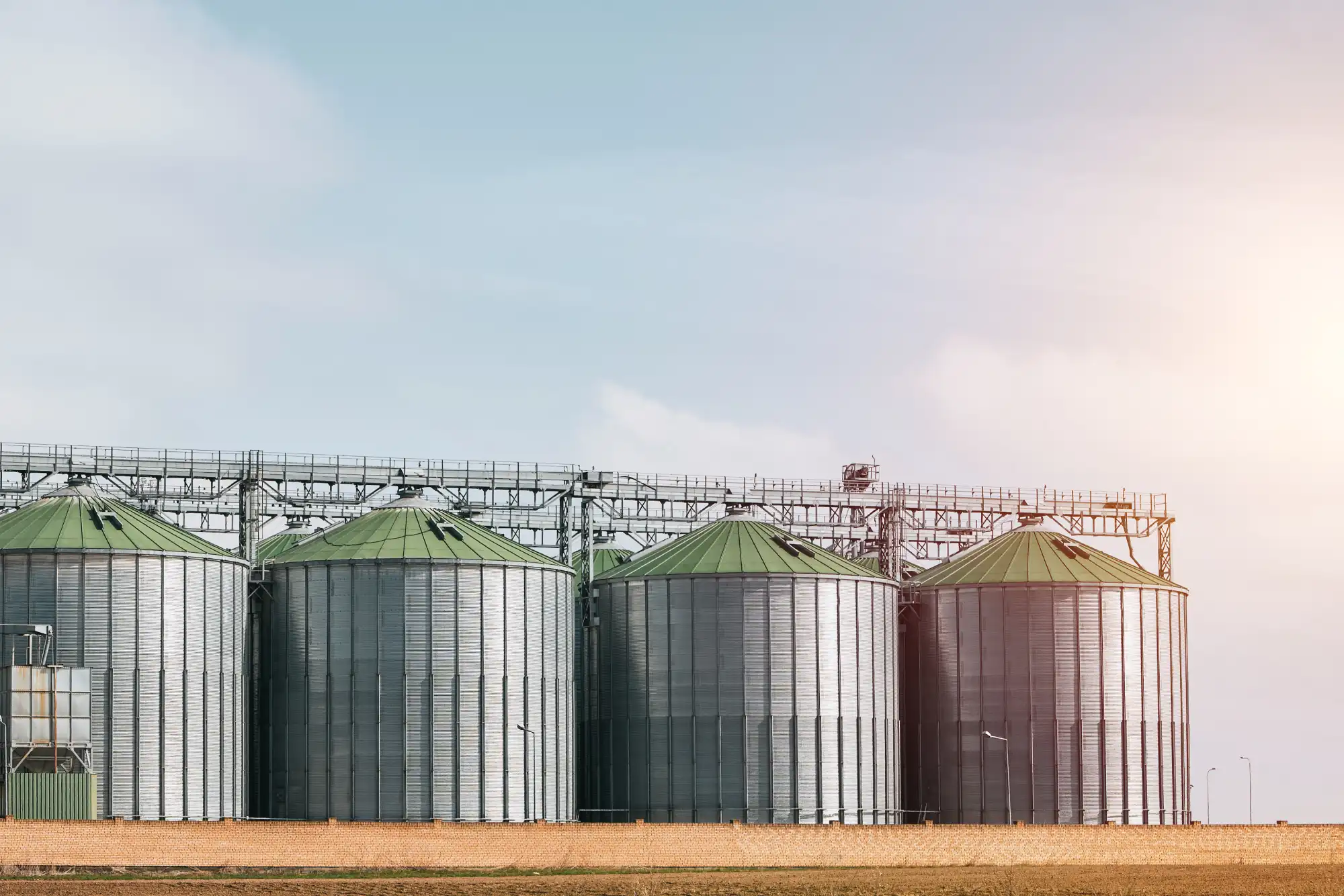
A Flat Bottom Silo is a large cylindrical steel storage structure with a flat base designed to store bulk grains such as paddy, rice, wheat, maize, and other agricultural products. These silos are generally installed for high-capacity storage requirements and are equipped with advanced aeration, temperature monitoring, and grain handling systems.
Flat bottom silos are commonly used in:
- Rice mills
- Flour mills
- Feed processing plants
- Grain trading companies
- Agro-processing industries
Why Flat Bottom Silos are Ideal for Rice Mills
Rice mills deal with huge quantities of paddy storage throughout the year. Traditional warehouse storage methods often lead to:
- Moisture damage
- Pest infestation
- Grain spoilage
- Space inefficiency
- High labor costs
Flat bottom silos solve these challenges effectively by offering scientific and automated storage systems.
Key Benefits of Flat Bottom Silos in Rice Mill Industries
1. Large Storage Capacity
One of the biggest advantages of flat bottom silos is their ability to store massive quantities of paddy in a compact area. Rice mills can store thousands of tons of grain without requiring extensive warehouse space.
This makes them highly suitable for:
- Seasonal procurement
- Bulk storage
- Export-oriented rice mills
2. Better Grain Protection
Flat bottom silos are designed with advanced ventilation and aeration systems that help maintain the proper moisture and temperature levels inside the silo.
This protects paddy from:
- Fungus formation
- Moisture damage
- Insect attacks
- Spoilage
As a result, rice quality remains consistent for longer durations.
3. Reduced Post-Harvest Losses
Post-harvest losses are a major concern in the rice industry. Improper storage can lead to significant quantity and quality loss.
Flat bottom silos minimize these losses by:
- Preventing contamination
- Reducing grain exposure to weather
- Maintaining controlled storage conditions
This directly improves profitability for rice mill owners.
4. Efficient Material Handling
Modern flat bottom silos are integrated with automated grain handling systems such as:
- Bucket elevators
- Chain conveyors
- Sweep augers
- Discharge systems
This reduces manual labor and speeds up grain movement during processing operations.
5. Improved Hygiene Standards
Compared to traditional godowns, flat bottom silos offer cleaner and more hygienic grain storage. The enclosed design protects grain from:
- Dust
- Rodents
- Birds
- External contamination
This is especially important for rice mills supplying premium-grade rice to domestic and international markets.
6. Cost-Effective Long-Term Investment
Although the initial setup cost of a flat bottom silo may be higher than conventional storage, the long-term savings are substantial.
Rice mill industries benefit from:
- Lower labor costs
- Reduced grain losses
- Minimal maintenance
- Better operational efficiency
Over time, the return on investment becomes highly favorable.
7. Easy Inventory Management
Flat bottom silos help rice mills manage inventory more efficiently through:
- Digital monitoring systems
- Temperature sensors
- Automated stock tracking
This allows mill operators to maintain better control over grain quality and stock levels.
8. Enhanced Operational Efficiency
With faster loading and unloading systems, rice mills can improve turnaround time and streamline production schedules.
This leads to:
- Faster processing
- Improved workflow
- Higher productivity
Applications of Flat Bottom Silos in Rice Mills
Flat bottom silos are commonly used for:
- Raw paddy storage
- Buffer storage before milling
- Finished rice storage
- Long-term grain preservation
They are especially useful for large-scale and export-focused rice processing units.
Why Rice Mill Owners Prefer Flat Bottom Silos Today
As the rice industry becomes more technology-driven, mill owners are focusing on:
- Quality preservation
- Automation
- Operational efficiency
- Reduced wastage
Flat bottom silos support all these objectives while helping businesses scale efficiently.
Conclusion
Flat bottom silos have become an essential storage solution for modern rice mill industries. Their ability to provide safe, hygienic, and high-capacity grain storage makes them a valuable investment for rice mill owners looking to improve efficiency and reduce losses.
With advantages such as better grain protection, reduced wastage, automation, and long-term cost savings, flat bottom silos are transforming the way rice mills handle and store paddy.
For rice mill industries aiming for higher productivity and superior grain quality, investing in flat bottom silo systems is a smart and future-ready decision.