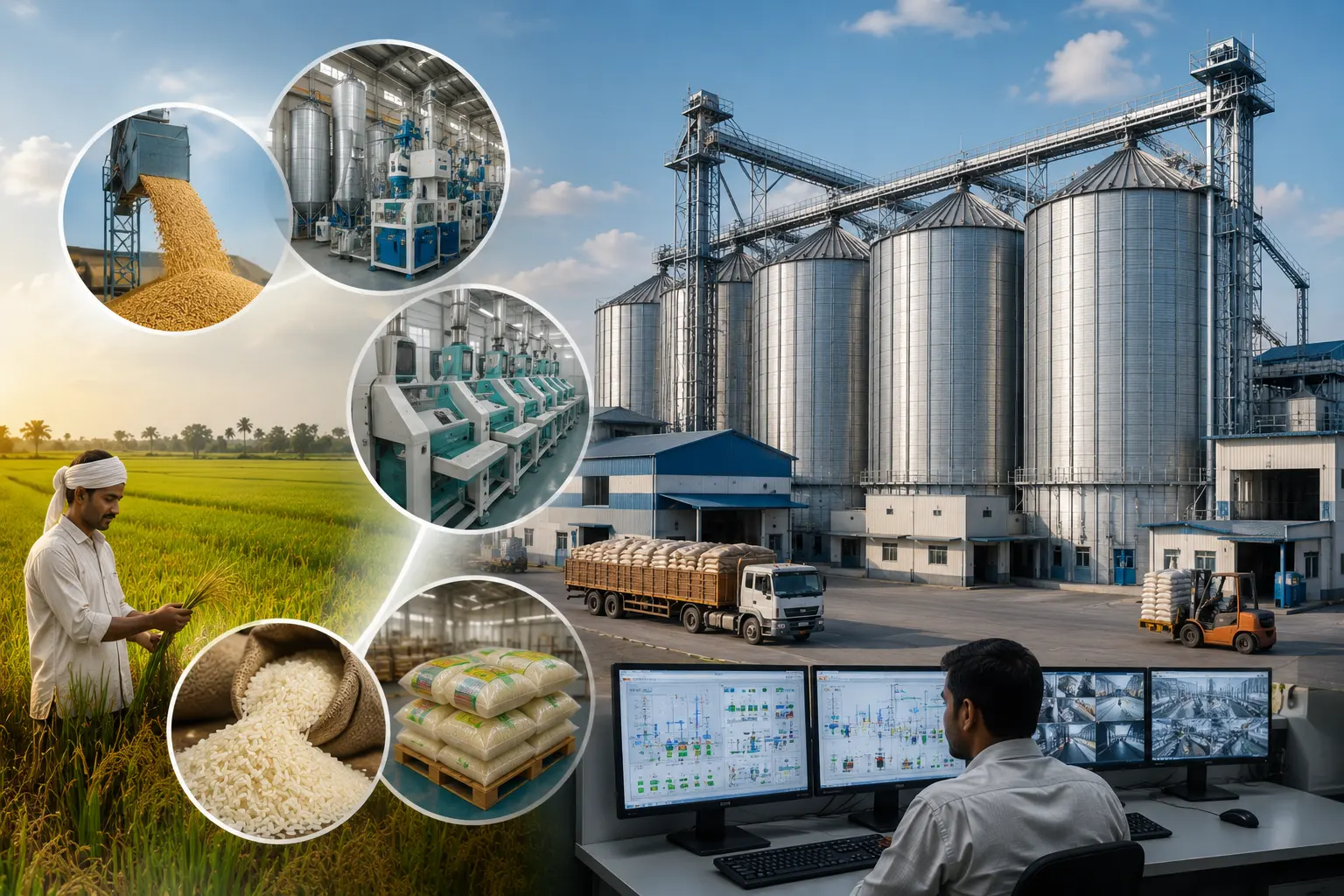
The rice milling industry plays a critical role in ensuring food security and maintaining the quality of grains before they reach consumers. However, one of the biggest challenges faced by rice mill owners is the safe storage and handling of grains. Traditional storage methods often lead to grain spoilage, moisture damage, pest infestation, and post-harvest losses. This is where modern silo systems are changing the game for rice mill industries.
Silo storage systems are becoming an essential investment for rice mills looking to improve efficiency, maintain grain quality, and increase profitability. Let’s explore how silo systems can help rice mill industries protect and manage their grains more effectively.
What Is a Silo System?
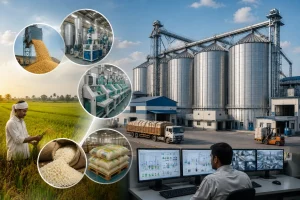
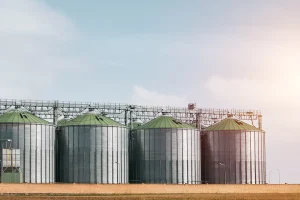
A silo system is a large storage structure designed to safely store grains such as rice, wheat, corn, and paddy under controlled conditions. These silos are usually made from steel or concrete and are equipped with advanced technology for temperature control, aeration, moisture management, and automated grain handling.
Unlike traditional warehouse storage, silo systems provide a scientific and organized method of grain preservation.
Key Benefits of Silo Systems for Rice Mills
1. Better Grain Quality Preservation
One of the biggest advantages of silo systems is their ability to maintain grain quality for long periods. Paddy and rice grains are highly sensitive to moisture and temperature changes. Improper storage can lead to fungus growth, discoloration, and reduced nutritional value.
Silo systems help by:
- Controlling moisture levels
- Maintaining proper ventilation
- Preventing contamination
- Reducing grain breakage
This ensures that rice mills can deliver premium-quality rice to the market consistently.
2. Reduction in Post-Harvest Losses
Traditional storage methods often expose grains to pests, rodents, birds, and environmental damage. These issues can result in significant post-harvest losses.
Silo systems minimize losses by:
- Providing airtight storage conditions
- Protecting grains from insects and rodents
- Reducing spoilage caused by rain or humidity
- Preventing fungal infections
With reduced wastage, rice mill owners can improve operational efficiency and profitability.
3. Improved Storage Capacity
Rice mills usually require large-scale grain storage during peak harvesting seasons. Silo systems offer vertical storage solutions that save space while increasing storage capacity.
Benefits include:
- Efficient use of land area
- Large-scale grain storage
- Easier inventory management
- Organized grain segregation
This helps mills handle seasonal demand more effectively.
4. Automated Grain Handling
Modern silo systems are equipped with automation technologies that simplify grain movement and handling. Automated conveyors, elevators, and unloading systems reduce manual labor and improve speed.
Automation helps rice mills by:
- Reducing labor costs
- Improving loading and unloading efficiency
- Minimizing grain damage during handling
- Enhancing operational safety
As a result, mills can achieve faster processing and better productivity.
5. Moisture and Temperature Control
Moisture is one of the biggest enemies of stored grains. Excess moisture can lead to mold formation and spoilage, while high temperatures can affect grain quality.
Advanced silo systems include:
- Aeration systems
- Temperature monitoring sensors
- Moisture control systems
- Real-time monitoring technology
These features help maintain ideal storage conditions and preserve the freshness of grains.
6. Cost Savings in the Long Run
Although silo systems require an initial investment, they provide significant long-term savings for rice mills.
Cost-saving advantages include:
- Reduced grain losses
- Lower labor expenses
- Reduced maintenance costs
- Better inventory control
- Increased shelf life of grains
Over time, these savings can greatly improve the overall profitability of the rice milling business.
7. Enhanced Food Safety Standards
Consumers and export markets demand high-quality and hygienically stored rice products. Silo systems help rice mills meet food safety standards by ensuring cleaner and safer grain storage conditions.
This is especially beneficial for:
- Export-oriented rice mills
- Premium rice brands
- Large-scale food processing companies
Maintaining high food safety standards can also improve brand reputation and customer trust.
Future of Rice Milling with Silo Technology
As the agriculture and food processing industries continue to modernize, silo systems are becoming a necessity rather than a luxury. Rice mill industries that adopt advanced storage technologies can gain a competitive advantage by improving quality, reducing losses, and optimizing operations.
With increasing focus on automation, sustainability, and food security, silo systems are expected to play a major role in the future of grain management.
Conclusion
Silo systems are revolutionizing the rice milling industry by providing smarter, safer, and more efficient grain storage solutions. From preserving grain quality to reducing post-harvest losses and improving operational efficiency, silo technology offers numerous benefits for modern rice mills.
For rice mill owners looking to scale operations and improve profitability, investing in silo systems can be a strategic step toward long-term success. As demand for high-quality rice continues to grow, modern storage infrastructure will become a key factor in staying competitive in the industry.